
How to mitigate the negative impacts of soil sealing
Soil sealing is recognised as one of the major soil threats in Europe, which is reflected in European policy. Most importantly soil sealing is explicitly tackled in both the Soil Strategy and the Soil Monitoring Law. To reverse or avoid the negative impacts of sealing, there are three main categories of measures: prevent, limit, and compensate. An emerging fourth category of measure is reversing soil sealing, also called de-sealing.
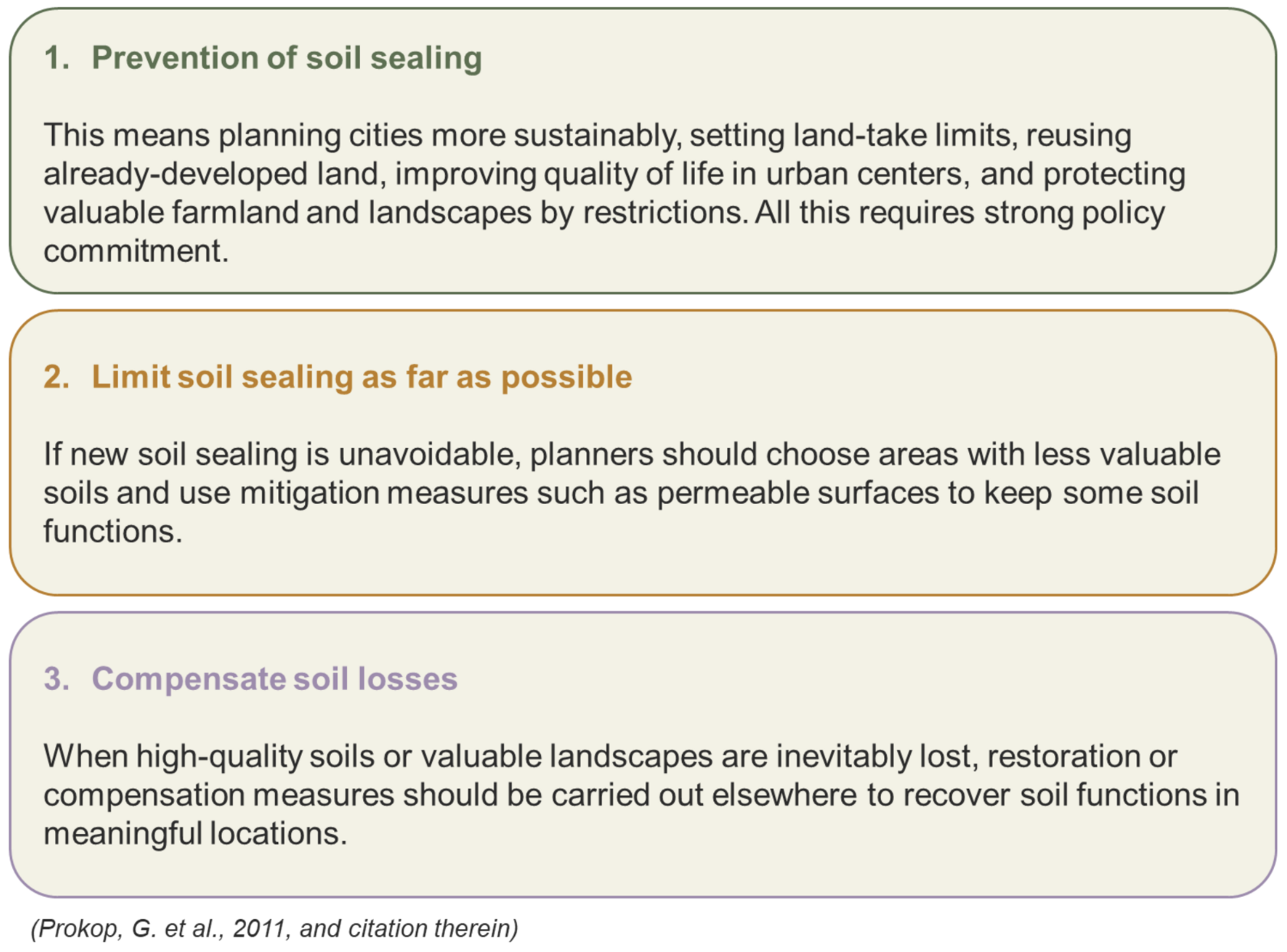
The problems associated with soil sealing have been recognized for decades. These days the EU policy agenda is moving toward no net land take, re-use of artificial land, and restoration-oriented approaches. At the same time, you should be aware that the measures to tackle sealing are not yet sufficiently documented on their effects, or tested at all, across soil types, climate and sealing intensity. There are still needs to document and formalise the best practises for mitigating the negative impacts of soil sealing, and to reverse soil sealing (de-sealing) across Europe.
How the city of Vienna is mitigating soil sealing
In this video, you’ll see what happens when soil becomes sealed and how quickly its natural functions disappear. It also highlights practical solutions – such as green spaces, permeable surfaces, and thoughtful urban design – that help cities support ecosystem services and improve human wellbeing.
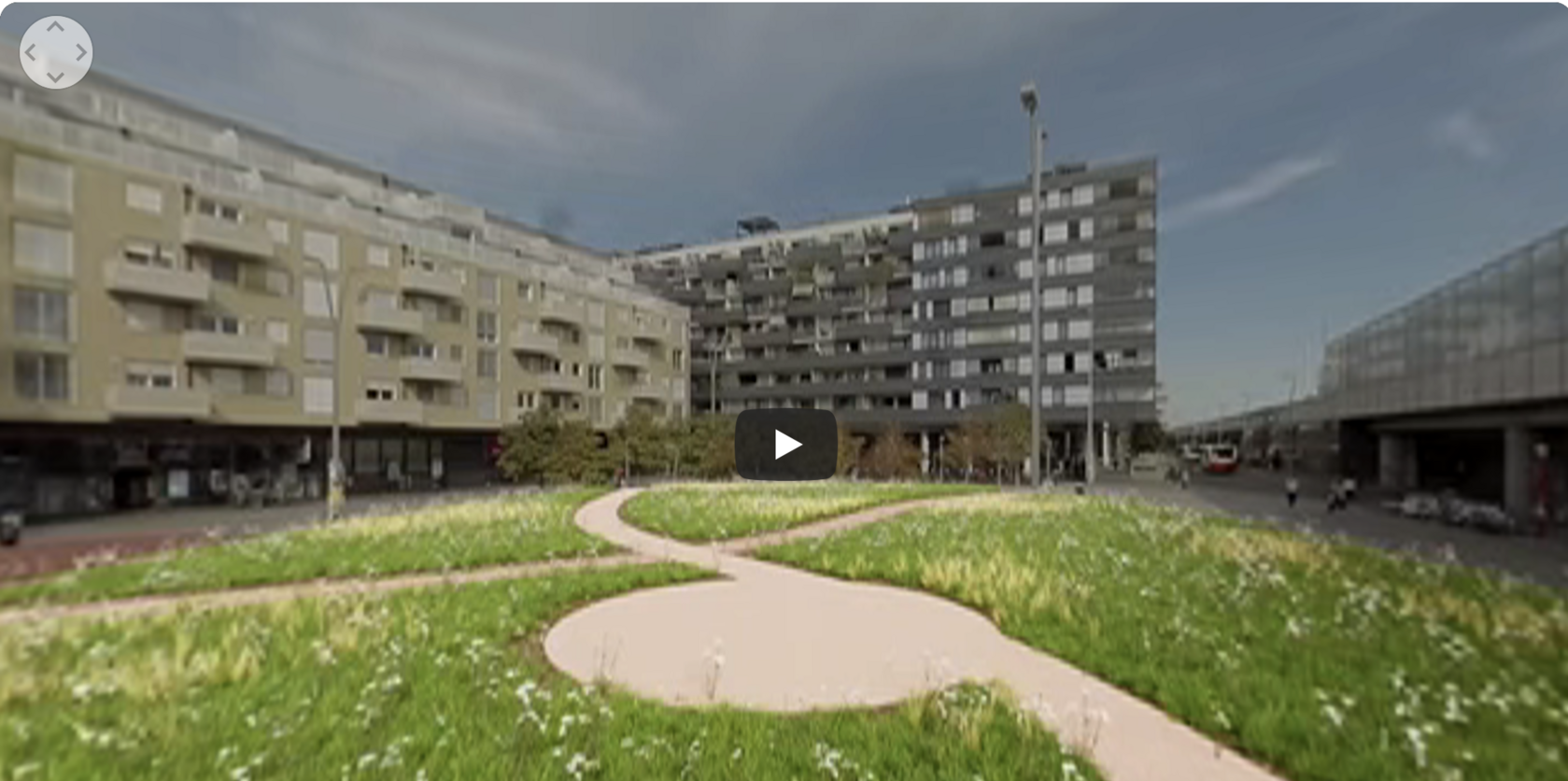
As you watch, pay attention to the examples of how sealing changes both the environment above and the soil processes below ground and consider how better planning can reduce the negative impacts of soil sealing.
 Please log in or register to post a comment