
Why does soil organic matter matter?
Many soils around the world are under pressure from land-use change, erosion, pollution, and climate change. One common feature of degraded soils is the decline of soil organic matter (SOM). But why does this matter to both the environment and society?
Soil organic matter is the organic component of soil derived from plants, animals, and microorganisms at different stages of decomposition. It includes visible plant residues, living soil organisms, and more stable organic compounds that can remain in soils for decades or even centuries.
Can you remember one of the many ways SOM influences soils functioning? It helps soil particles form stable aggregates, which improves soil structure and makes soils more resistant to erosion. It increases the soil’s capacity to retain water, which can be crucial during dry periods. As organic matter decomposes, nutrients are released gradually and become available to plants while reducing the risk of nutrient losses to groundwater.
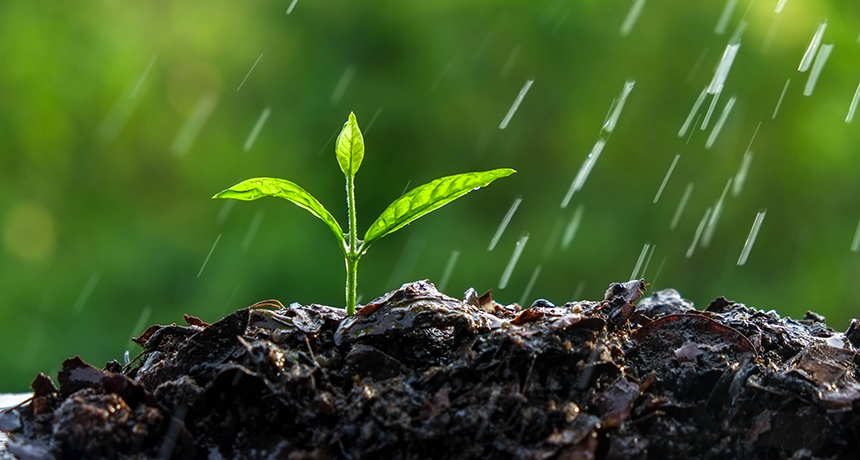
© Soil in the rain by 2140261AishwaryaShinde, CC BY-SA 4.0, no changes were made to the original photo
Soil organic matter also provides energy and habitat for soil organisms. Bacteria, fungi, and soil animals use organic materials as food and transform them through decomposition. Through these interactions, soil organic matter supports many essential soil ecosystem services, including food production, water regulation, nutrient cycling, and climate regulation.
Because of these functions, even relatively small changes in SOM can influence how well soils support plant growth and environmental processes.

In the intro text to Module 3: "Imagine to walk outside" – Imagine you walk outside. Also, change hyphen into dash.